Rs 212.5
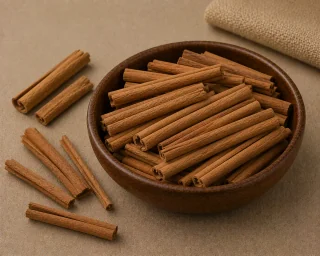
Sri Lankan Ceylon Darchini consists of thin, multi-layered inner-bark quills from Cinnamomum verum, commonly called Ceylon or true cinnamon. It has a lighter color, more delicate structure, and milder sweet, woody, and lightly citrus-like flavor than thick cassia bark. The quills can be infused into tea, coffee, milk, syrups, rice dishes, stews, custards, and desserts or crumbled and ground for baking. This product identity should be used only when the stock is supplier-verified as Cinnamomum verum of Sri Lankan origin.
Rs 225
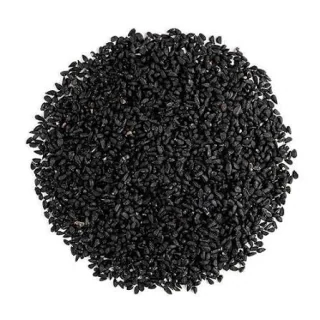
Premium Kala Zeera consists of the slender, dark-brown aromatic fruits commonly marketed as seeds of Elwendia persica, with Bunium persicum retained as a widely recognized botanical synonym. Also known as Shahi Jeera, Persian Cumin, and Black Cumin, it has a warm, earthy, mildly smoky, and slightly sweet aroma that is more delicate and complex than ordinary white cumin. Kala Zeera is traditionally used in biryani, pulao, Mughlai dishes, meat curries, breads, rice preparations, and freshly ground spice blends. It is distinct from Kalonji or Nigella sativa.
Rs 150
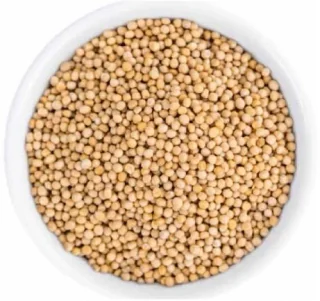
Premium whole white mustard seeds, commonly known as Safed Sarson, Peeli Sarson, yellow mustard seeds, or white rai and botanically identified as Sinapis alba. These pale yellow to beige seeds have a milder, nuttier, and slightly sweet pungency compared with black mustard. They are traditionally used whole in pickles and tempering or soaked and ground for mustard pastes, sauces, salad dressings, marinades, brines, and spice mixtures.
Rs 125
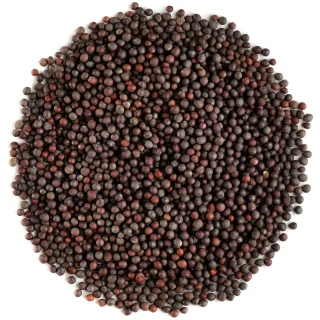
Premium whole black mustard seeds, commonly known as Black Sarson, Kali Sarson, or Black Rai. These small dark seeds are traditionally identified as Brassica nigra, currently also accepted botanically as Mutarda nigra. They have a sharp, earthy, and strongly pungent flavour that becomes aromatic and nutty when briefly crackled in hot oil. Black mustard seeds are widely used in Pakistani and South Asian pickles, chutneys, curries, vegetable dishes, lentils, spice blends, and traditional tempering.
Rs 100
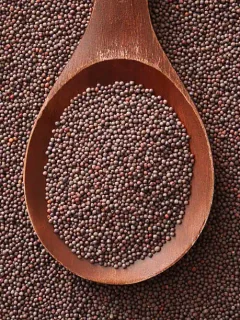
Premium Rai Dana consists of whole brown to reddish-brown mustard seeds from Brassica juncea. These small round spice seeds have a mild aroma when dry but develop a sharp, pungent, and nutty flavor when crushed, soaked, toasted, or fried in oil. Rai Dana is widely used in Pakistani and South Asian cooking for achar, tempering, curries, lentils, vegetable dishes, chutneys, marinades, and freshly ground mustard preparations.
Rs 325
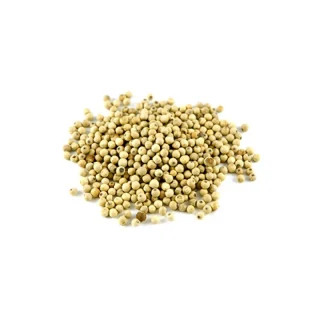
Whole white peppercorns, commonly known as Safed Mirch or Dakhni Mirch, are produced from mature fruits of the Piper nigrum plant after the outer fruit layer is removed during processing. This gives the peppercorns their characteristic pale cream colour and a clean, earthy, sharply pungent flavour. The whole peppercorns are carefully cleaned and sorted and are suitable for fresh grinding in soups, white sauces, gravies, marinades, stir-fries and spice blends where strong pepper flavour is required without visible black specks.
Rs 42.5
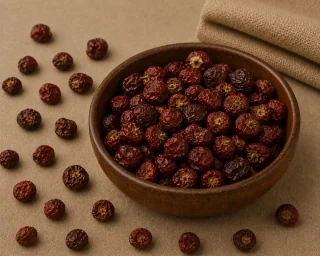
Chef Select Sabat Gol Surkh Mirch consists of small, whole dried round red chilli pods commonly sold in Pakistan as Gol Lal Mirch, button chillies or Dundicut-type chillies. They provide concentrated chilli heat with a slightly fruity, earthy and dried-pepper flavour. The whole pods are commonly used in daal tarka, curries, karahi dishes, pickles, chutneys and spice mixtures. Heat intensity can vary considerably between crops, cultivars and growing regions. Dundicut chillies are often identified commercially as Capsicum annuum, although some suppliers classify similar round chilli lots as Capsicum frutescens; the exact botanical species and cultivar should therefore be verified from the supplier.
Rs 195
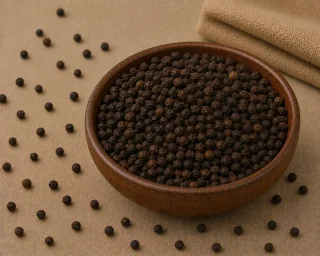
Chef Select Sabat Kali Mirch consists of whole dried peppercorns obtained from the fruits of Piper nigrum. The dark, wrinkled peppercorns provide a sharp, pungent and mildly woody flavour that becomes more aromatic when freshly cracked or ground. Whole black pepper can be tempered in oil, simmered in stocks and gravies, added to pickles and spice blends, or filled into a pepper mill for freshly ground seasoning. Natural variations in peppercorn size, darkness and surface texture can occur between crops and growing origins.
Rs 87.5
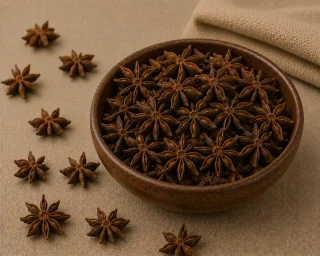
Badiyan Khatai, also known as Chinese Star Anise, is the dried star-shaped fruit of Illicium verum. It has a strong sweet, warm, and licorice-like aroma produced mainly by naturally occurring anethole. Whole star anise is used in small quantities to flavor biryani, pulao, yakhni, nihari, meat stews, broths, spice blends, syrups, and selected desserts. The hard woody fruit is normally simmered for aroma and removed before serving.
Rs 120
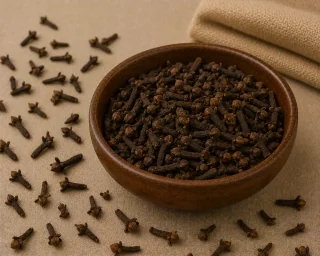
Chef Select Long, commonly known as cloves or Laung, consists of the dried unopened flower buds of the clove tree, Syzygium aromaticum. Whole cloves have a powerful warm, sweet-spicy, woody and pungent aroma, so only a small quantity is normally required. They are commonly used in biryani, pulao, yakhni, korma, nihari, curries, garam masala, pickles, chai, kahwa, desserts and baked foods. Whole cloves can be infused during cooking or ground immediately before use when a finer distribution of flavour is required.
Rs 250
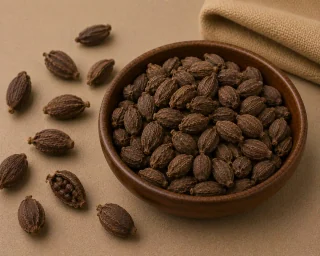
Chef Select Bari Elaichi, commonly known as black cardamom, Moti Elaichi or Kali Elaichi, consists of whole dried pods of Amomum subulatum. Traditional drying methods give the dark, deeply ridged pods their characteristic smoky, woody, resinous and mildly camphoraceous aroma. Black cardamom is stronger and less sweet than green cardamom and is commonly used in biryani, pulao, yakhni, nihari, korma, haleem, meat curries, lentil dishes and whole garam masala blends. The pods can be simmered whole for infusion or opened so the internal seeds can be ground into spice mixtures.
Rs 87.5
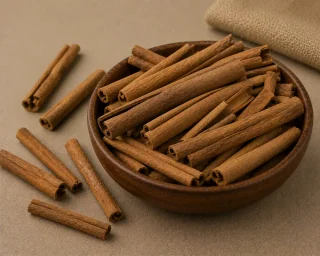
Sabat Darchini consists of dried cassia-type cinnamon bark used as a whole aromatic spice. Compared with delicate Ceylon cinnamon quills, ordinary cassia bark is generally thicker, harder, darker, and stronger in flavor. It can be tempered in oil or ghee, simmered in biryani, pulao, korma, curries, soups, and stews, or infused into tea and milk-based desserts. This product should not be described as Ceylon or true cinnamon unless its botanical species and origin are verified by the supplier.
Rs 190
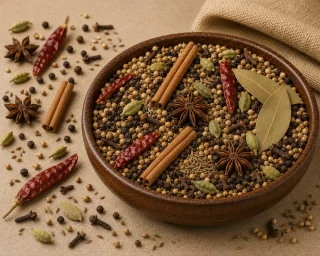
Sabat Garam Masala is a traditional blend of whole aromatic spices used in Pakistani and South Asian cooking. This blend combines cumin seeds, black peppercorns, cloves, cassia cinnamon bark, black cardamom, green cardamom, and bay leaves. The whole spices can be tempered in oil or ghee, simmered in curries and stews, added to rice-cooking water, or gently roasted and ground at home. Garam masala recipes vary by household and region, so this product is defined by the ingredients listed rather than a universal fixed formula.
Rs 65
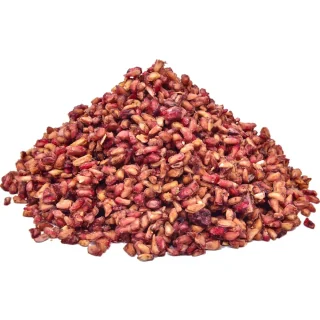
Premium whole anardana made from dried pomegranate arils and their internal seeds, botanically obtained from Punica granatum. It has a naturally sour, fruity, mildly sweet, and slightly earthy flavour. Anardana is used as a dry souring ingredient in Pakistani and South Asian cooking, particularly in chapli kebabs, chutneys, curries, chickpea dishes, potato fillings, samosas, stuffed parathas, marinades, and spice blends. It may be used whole, coarsely crushed, or finely ground depending on the intended recipe.
Rs 45
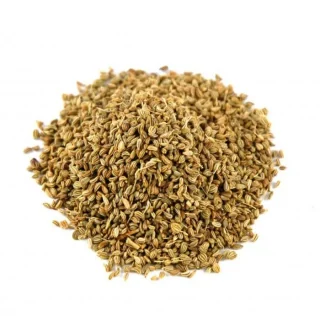
Premium whole ajwain, commonly known as carom seeds or ajowan and botanically identified as Trachyspermum ammi. Although commonly called seeds, the spice consists of small dried aromatic fruits with a powerful thyme-like fragrance and a warm, peppery, slightly bitter taste. Ajwain is widely used in Pakistani and South Asian cooking, particularly in pakoras, parathas, puris, mathri, namak para, samosa pastry, lentils, vegetable dishes, pickles, and traditional spice blends. Whole ajwain may be rubbed, lightly crushed, toasted, or briefly fried to release its characteristic aroma.
Rs 85
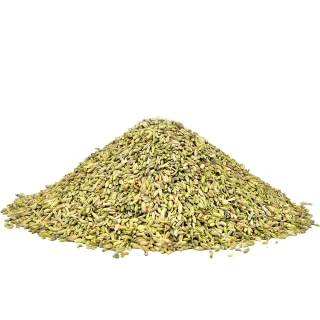
Premium Saunf consists of whole dried fennel fruits from Foeniculum vulgare, commonly called fennel seeds. These ridged, greenish to yellow-brown seeds have a naturally sweet, warm, and anise-like aroma. Fennel is widely used in Pakistani and South Asian kitchens as a whole spice, pickling ingredient, tea infusion, bakery spice, and traditional post-meal mouth freshener. It may be used whole, lightly toasted, crushed, or freshly ground.
Rs 60
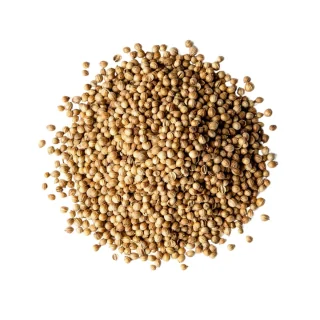
Premium Sabut Dhaniya consists of whole dried coriander fruits from Coriandrum sativum, commonly called coriander seeds. These round, pale-brown to golden seeds have a warm, citrusy, mildly sweet, and earthy aroma. Whole coriander is a foundational spice in Pakistani and South Asian cooking and may be dry-roasted, coarsely crushed, tempered whole, or freshly ground for curries, karahis, kebabs, pickles, chutneys, and homemade masala blends.
Rs 160
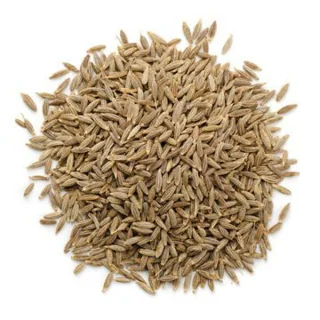
Premium whole cumin seeds, commonly known as Sufaid Zeera, Safed Zeera, Jeera, or Zira and botanically identified as Cuminum cyminum. These narrow, ridged seeds have a warm, earthy, slightly bitter, and gently peppery flavour. Whole cumin is a foundational spice in Pakistani and South Asian cooking and is commonly used in tarka, dals, curries, vegetable dishes, raita, chaat masala, zeera rice, pulao, pickles, and homemade spice blends. Light dry-roasting or briefly frying the seeds in oil releases their characteristic aroma.
Rs 50
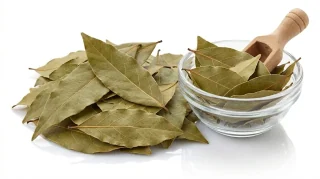
Chef Select Tez Patta, also known as Indian Bay Leaves, are whole dried Cinnamomum tamala leaves used as an aromatic spice in biryani, pulao, curries, korma, nihari, dals, and other South Asian dishes. The leaves are added during cooking for aroma and are normally removed or set aside before eating.